
Applied Mission Critical Systems
Engineering complex
systems
into working
technology.
We combine mechanistic modelling, artificial intelligence, software and product engineering to create deployable systems across industry.
Mondren turns complex scientific, physical and operational problems into deployable software, connected products and enterprise systems.
Our Capabilities
Technology Across Four Frontiers
Mondren operates across four distinct areas of technology development. From advanced scientific systems to enterprise-scale platforms, our work is focused on building capabilities that do not already exist in standard products.
Explore Our Capabilities
Frontier and Mission Systems
Mechanistic software for high-value scientific, industrial and mission-critical applications. Our work includes biotechnology, battery systems, energy, oil and gas, resilient navigation, aerospace, defense, security systems and neurotechnology.

State-Aware Software Products
Software that accounts for ordering, interaction, cumulative effects, recovery and changing operating regimes. We use these principles to create diagnostic and decision engines, planning and optimization tools, workflow systems, developer APIs and white-label software.

Hardware and Product Engineering
End-to-end development of intelligent physical products. Our capabilities include product strategy, industrial design, mechanical and electronic engineering, embedded systems, IoT, software integration, prototyping and production readiness.

Enterprise Operations Platforms
Integrated software systems built around the structure and operations of each organization. We design custom ERP platforms, automation systems, data environments and AI-enabled operational tools around the way each organization actually functions.
Industries
Industries We Serve
Capabilities describe what we can do. Industries describe what we can do for you.

Energy & Batteries

Oil & Gas

Defence & Aerospace

Security & Critical Infrastructure
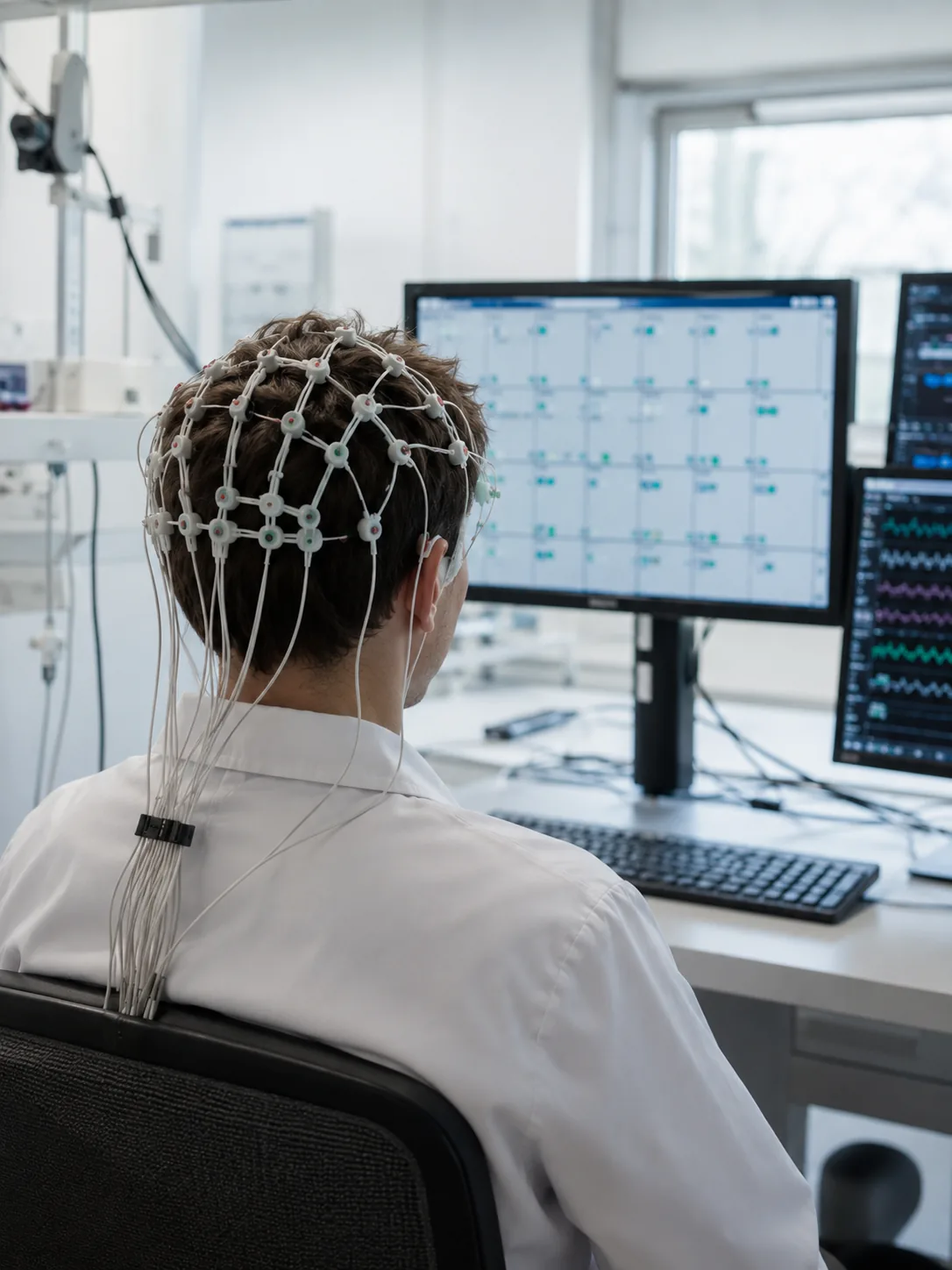
Neurotechnology

Analytical Chemistry
Capabilities
Capabilities in Depth
Mondren works across four distinct areas of technology development. Each area combines specialist expertise with a clear path toward usable software, products or operational systems.
Frontier and Mission Systems
Advanced software for scientifically and technically difficult problems
What we deliver
- Mechanistic models
- Scientific software
- Decision engines
- Simulation & optimisation tools
- Embedded algorithms
- APIs
- Domain-specific digital systems
- Technical feasibility studies
- Research-to-product development
Engagement
- Paid research & development
- Co-development
- Software licensing
- Embedded IP licensing
- API access
- Joint intellectual property
- Technical advisory retainers
Industries
- Biotechnology
- Energy & batteries
- Oil & gas
- Defence
- Aerospace
- Security systems
- Navigation
- BCI & neurotechnology
- Sensor & signal systems
Systems
- Drug-interaction modelling (DDI)
- Field reconstruction (VAF)
- GPS-denied navigation (MagNav)
- Alarm verification
- Neural interfaces (BCI)
- Oil–water composition (Water Cut)
- Battery health (SoH)
Built Around How the System Works
Many software systems learn patterns from historical data without representing the underlying process that produced them. This can be effective, but it becomes limiting when decisions must remain explainable, transferable and accountable.
Mondren develops mechanistic systems that represent the structure of the problem directly, including its physical laws, biological pathways, operational constraints, state changes and interactions over time.
Explainable by Design
Outputs can be traced back to defined mechanisms, assumptions and system variables rather than hidden model behaviour.
↳Learn moreGrounded Beyond Historical Patterns
Mechanistic systems are not limited to repeating relationships found in past data.
↳Learn moreMore Efficient Use of Data
Instead of requiring large datasets to rediscover known relationships, the system begins with established structure and uses data to calibrate, refine and validate it.
↳Learn moreClearer Responsibility and Control
Black-box systems can make it difficult to determine why a decision was produced or which assumption failed.
↳Learn moreWorking Together
Ways We Work
We engage through focused technical programmes, long-term partnerships and collaborative routes to research, product development and commercial deployment.
01
Paid Research and Development
Defined programmes focused on solving difficult scientific, technical or operational problems.
02
Co-Development and Joint IP
Collaborative development of proprietary software, technology or products with shared intellectual property and commercial potential.
03
Technical Advisory
Ongoing support for research direction, system architecture, engineering decisions, product strategy and technology roadmaps.
04
Embedded Teams
Specialist researchers, engineers and developers working alongside internal teams for a defined programme or period.
05
Academic and Research Partnerships
Sponsored research, joint investigations, academic collaborations, research translation and access to specialist expertise, facilities or datasets.
06
Pilots, Demonstrators and Validation
Proof-of-concept systems, field trials, clinical or technical validation programmes and operational testbeds.
07
Government, Grant and Consortium Programmes
Participation in public-sector innovation initiatives, grant-funded research, defence programmes and multi-organisation consortia.
08
Licensing and Technology Transfer
Licensing, commercialisation and transfer of proprietary software, algorithms, technical IP and research outputs.
09
Strategic Product and Venture Partnerships
Joint creation of new products, companies or commercial platforms through shared development, investment or market access.
Journal
News, Research & Perspectives
Follow our latest research, technical discoveries, company developments and perspectives on complex systems.
ResearchJuly 2026
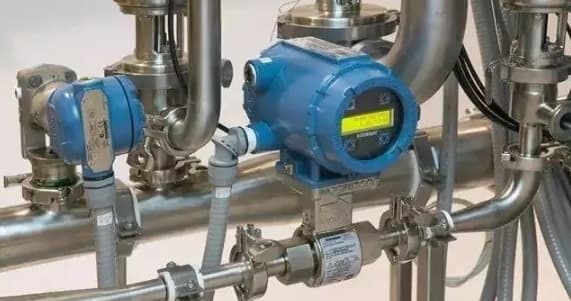
When Water-Cut Data Goes Stale, Prediction Is Not Measurement
A ten-year analysis of public offshore production records shows why the age of a water-cut observation must remain visible—and why an estimate should never be presented as a measurement.
ResearchJuly 2026
Why an ICU Arrhythmia Alarm Is Not Yet a Clinical Event
An ICU alarm is a detector output, not physiological ground truth. Reliable ventricular-tachycardia verification must separate electrical rhythm, mechanical consequence and sensor failure without suppressing true events.
ResearchJuly 2026
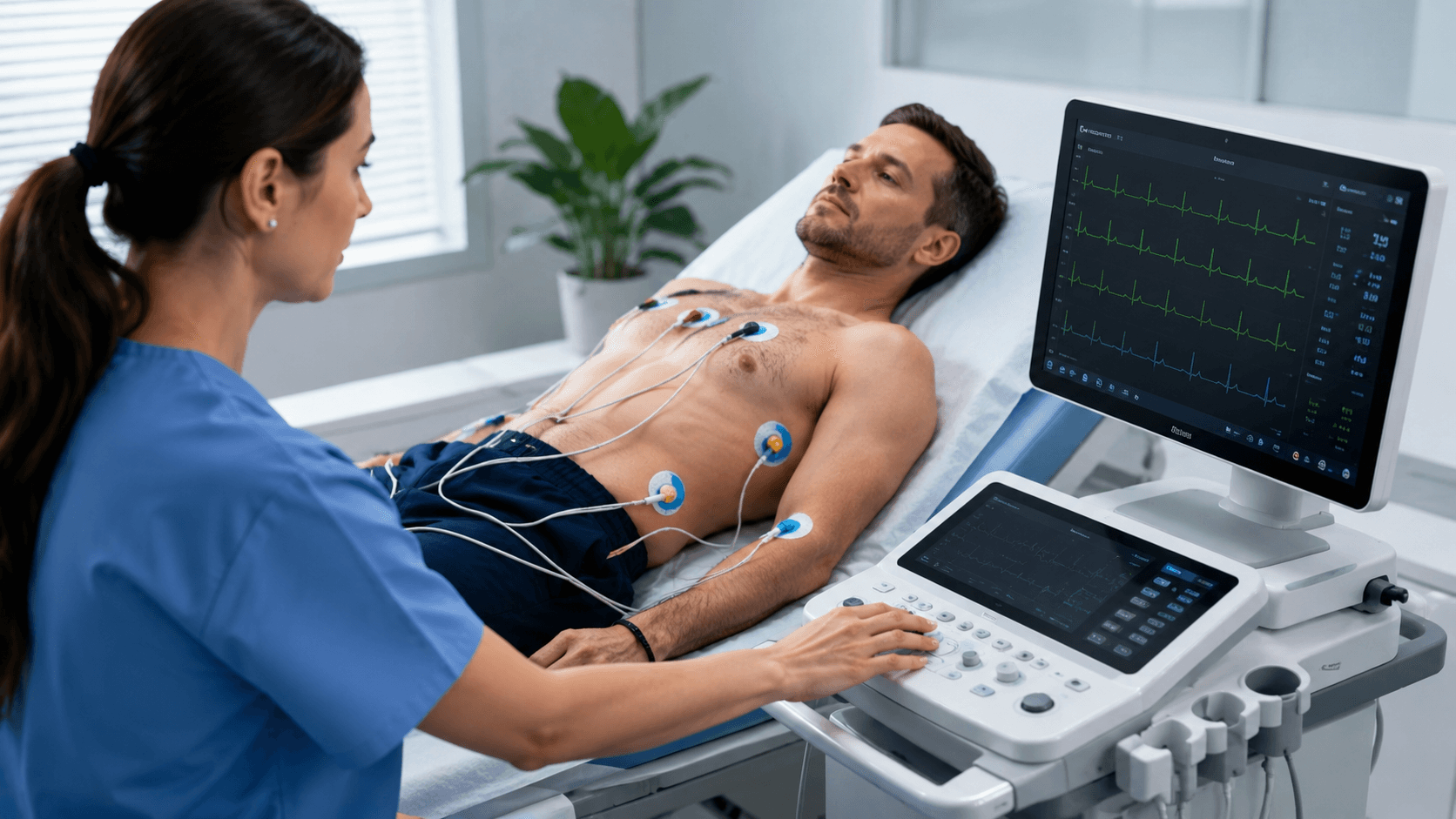
Why ST Elevation Is Not the Same as Coronary Occlusion
ST elevation is an ECG pattern; acute coronary occlusion is an anatomical and physiological condition. Reliable triage must distinguish the measurement, the underlying event and the urgency of intervention.
PerspectiveJuly 2026

When Black-Box Prediction Is the Wrong Tool
Black-box prediction is valuable within a well-supported operating range. It becomes the wrong tool when consequences are asymmetric, evidence is sparse, conditions change or decisions must be explained.
PerspectiveJuly 2026
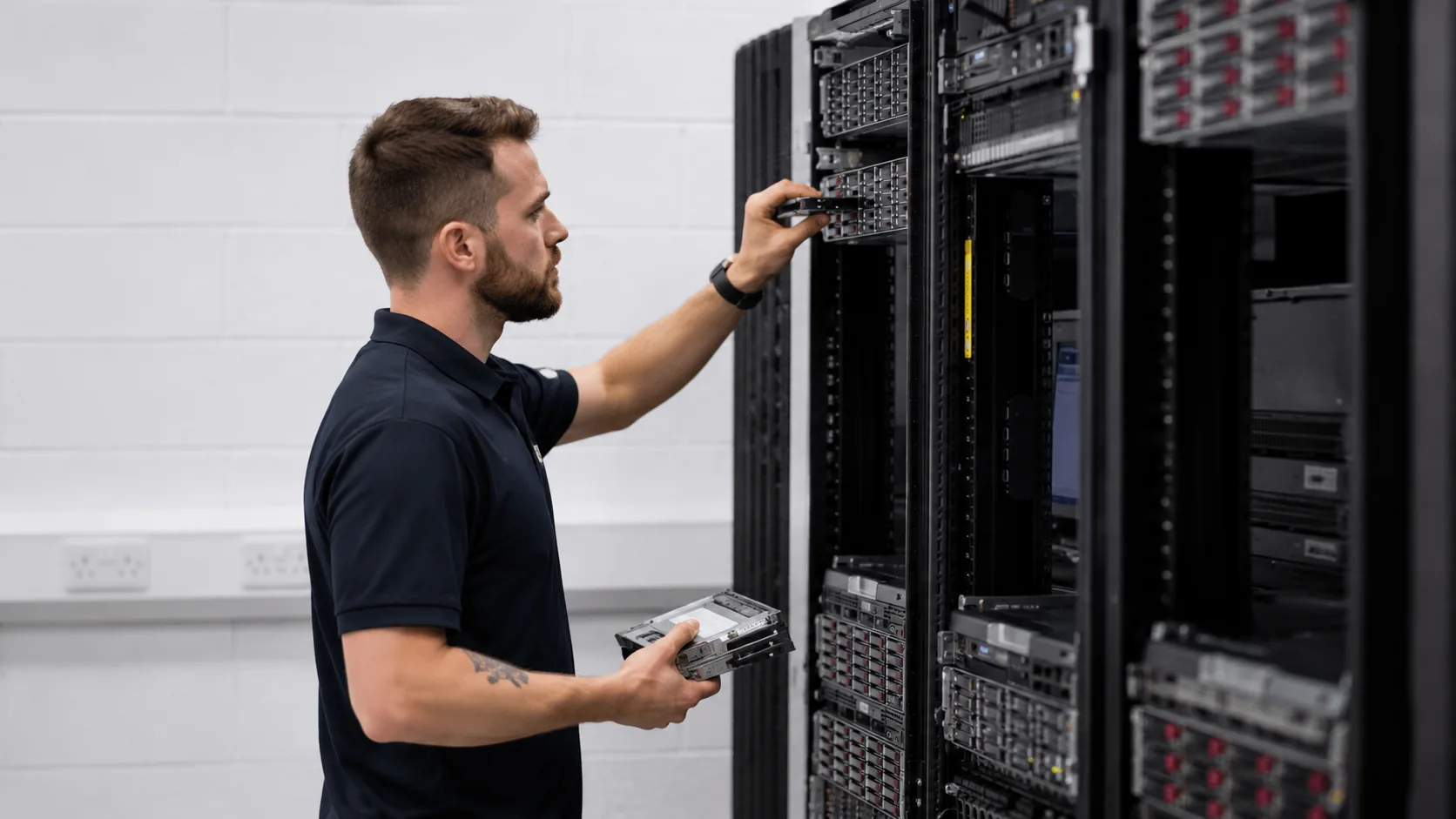
Why More Data Does Not Always Solve the Problem
More observations can reduce sampling uncertainty. They cannot repair a wrong measurement, remove hidden confounding, recover a missing causal quantity or guarantee transfer to a new regime.
PerspectiveJuly 2026
Why Treatment Order Can Change the Outcome
The same treatments at the same doses are not always the same treatment plan. In a changing biological system, the first intervention can alter what the next one encounters.
EngineeringJuly 2026

Navigation When GPS Cannot Be Trusted
GPS failure is not one condition. Loss, jamming and spoofing create different risks, and resilient navigation depends on physical references with genuinely independent failure modes.
ResearchJuly 2026
Why Higher Classification Accuracy Is Not Enough in BCI
A BCI is not useful because it predicts well on average. It must know when not to act, work across users and sessions, and deliver usable control without excessive calibration.